Casey Krause · 16 October 2026
Examining the Integration of Canvas and Steel Elements in Sustainable Transportation Networks
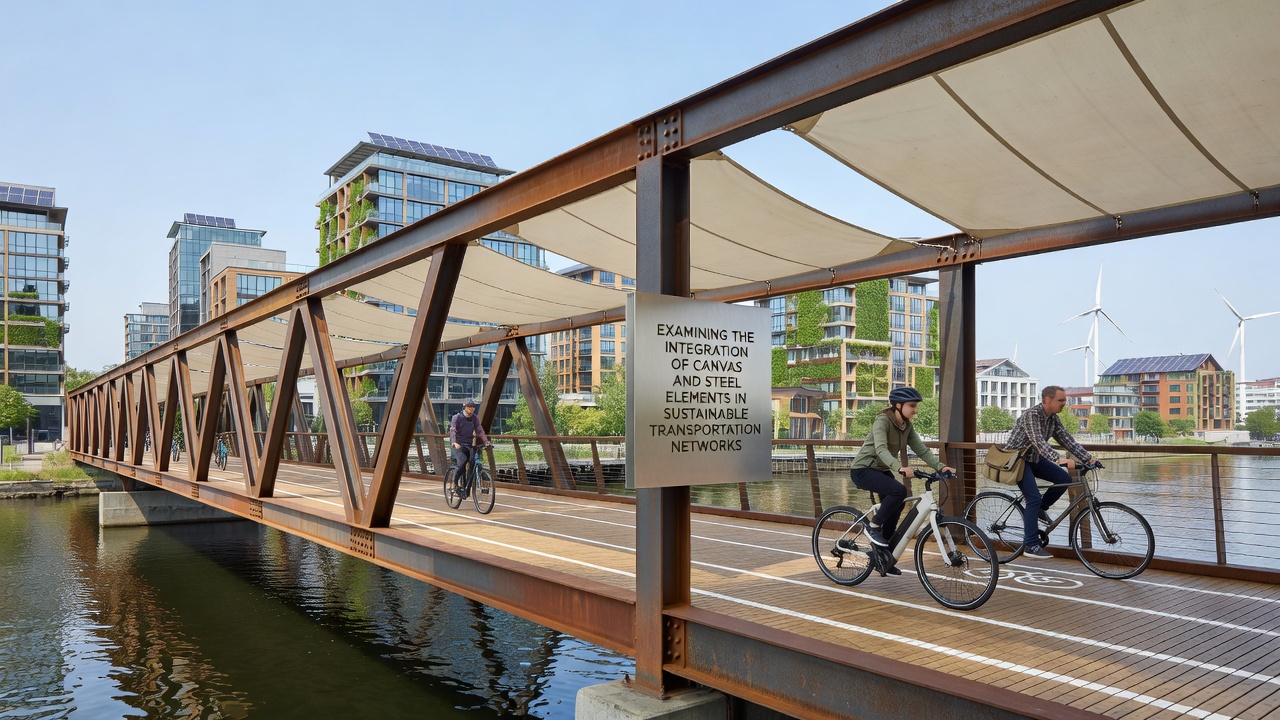
Canvas and steel elements combine in transportation networks where fabric layers provide tensioned coverings while steel frames deliver structural support, and this pairing appears in applications ranging from rail cars to maritime vessels. Researchers track these integrations because they reduce overall vehicle mass without sacrificing durability, which in turn lowers energy consumption during operation.
Material Characteristics and Historical Development
Steel offers high tensile strength and recyclability rates above 90 percent according to industry reports, whereas canvas materials such as treated polyester or natural fiber weaves supply weather resistance and flexibility under dynamic loads. Engineers began pairing the two in the early 20th century for truck tarpaulins, yet modern formulations incorporate UV-stabilized coatings and corrosion-resistant alloys that extend service life in harsh environments. Data from transport studies shows that hybrid assemblies cut component weight by 15 to 25 percent compared with all-steel designs, a reduction that directly affects fuel or battery efficiency in fleets.
Current Applications Across Transport Modes
Urban bus systems in several European cities employ steel skeletons covered by tensioned canvas panels for side and roof sections, allowing rapid panel replacement during maintenance cycles. Rail operators in North America test similar configurations on freight wagons where canvas inserts reduce aerodynamic drag while steel beams maintain load-bearing capacity. Maritime projects in Australia integrate these materials for deck shelters on electric ferries, and figures from the Department of Infrastructure reveal that such combinations contribute to lower emissions per passenger-kilometer on short-haul routes.
One study conducted by Transport Canada examined prototype light-rail vehicles that replaced traditional metal cladding with canvas-steel modules, documenting a 12 percent drop in energy draw during acceleration phases. Observers note that the modular nature of these elements speeds assembly times on production lines, since canvas sections bolt into pre-fabricated steel frames without specialized welding equipment.
Sustainability Metrics and Performance Data
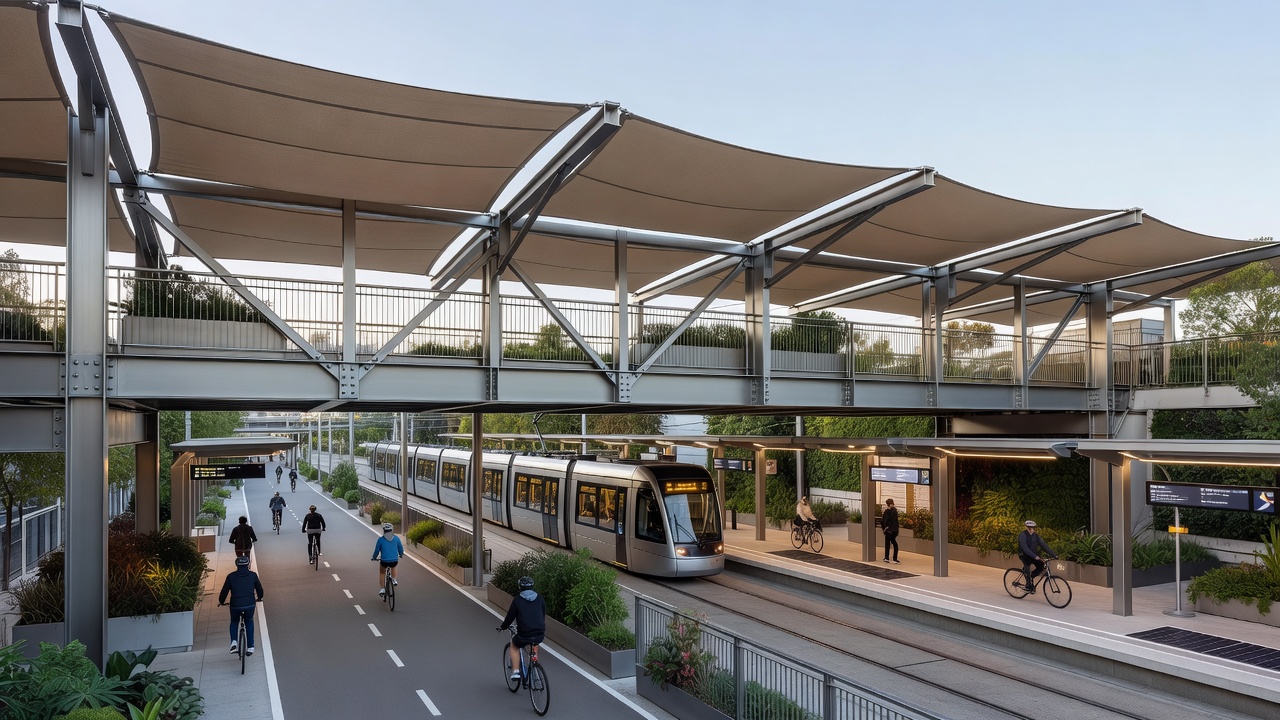
Life-cycle assessments compiled by the European Environment Agency indicate that canvas-steel hybrids lower embodied carbon by substituting lighter fabrics for portions of heavy plate steel, although the coatings applied to canvas require careful formulation to avoid microplastic release during weathering. Recycling streams separate the two materials at end of life through mechanical shredding followed by magnetic extraction of steel, and recovery rates exceed 85 percent in pilot programs run by Scandinavian transit authorities. Performance under cyclic loading shows that properly tensioned canvas maintains integrity for 8 to 12 years before replacement, while steel substructures often remain serviceable for 25 years or longer.
Implementation Challenges and Technical Solutions
Moisture ingress at canvas-steel junctions creates corrosion risks, prompting designers to specify sealed gaskets and drainage channels that channel water away from load-bearing members. Temperature fluctuations cause differential expansion between fabric and metal, yet flexible connection points accommodate movement without tearing or buckling. Supply-chain analyses from Canadian research institutions highlight that sourcing consistent canvas batches with uniform tensile properties remains a limiting factor for large-scale rollouts, which leads procurement teams to establish multi-year contracts with certified suppliers.
Developments Scheduled for October 2026
Standards organizations plan to release updated guidelines for canvas-steel interfaces in public transport vehicles during October 2026, incorporating test protocols for fatigue resistance under combined wind and vibration loads. Pilot networks in several cities will evaluate sensor-embedded canvas panels that monitor tension in real time, feeding data to predictive maintenance systems. These trials build on earlier European and Australian projects, and preliminary modeling suggests further efficiency gains once the new specifications take effect.
Conclusion
Canvas and steel elements continue to find expanded roles in sustainable transportation because their complementary properties support weight reduction, recyclability, and modular repair strategies. Ongoing data collection from operational fleets refines design parameters, while forthcoming standards in 2026 aim to formalize best practices across regions. Transport planners therefore track material performance metrics closely, since incremental improvements in hybrid assemblies accumulate into measurable reductions in network-wide energy demand and emissions.